

Cashmere vs Pashmina: What’s the Difference?
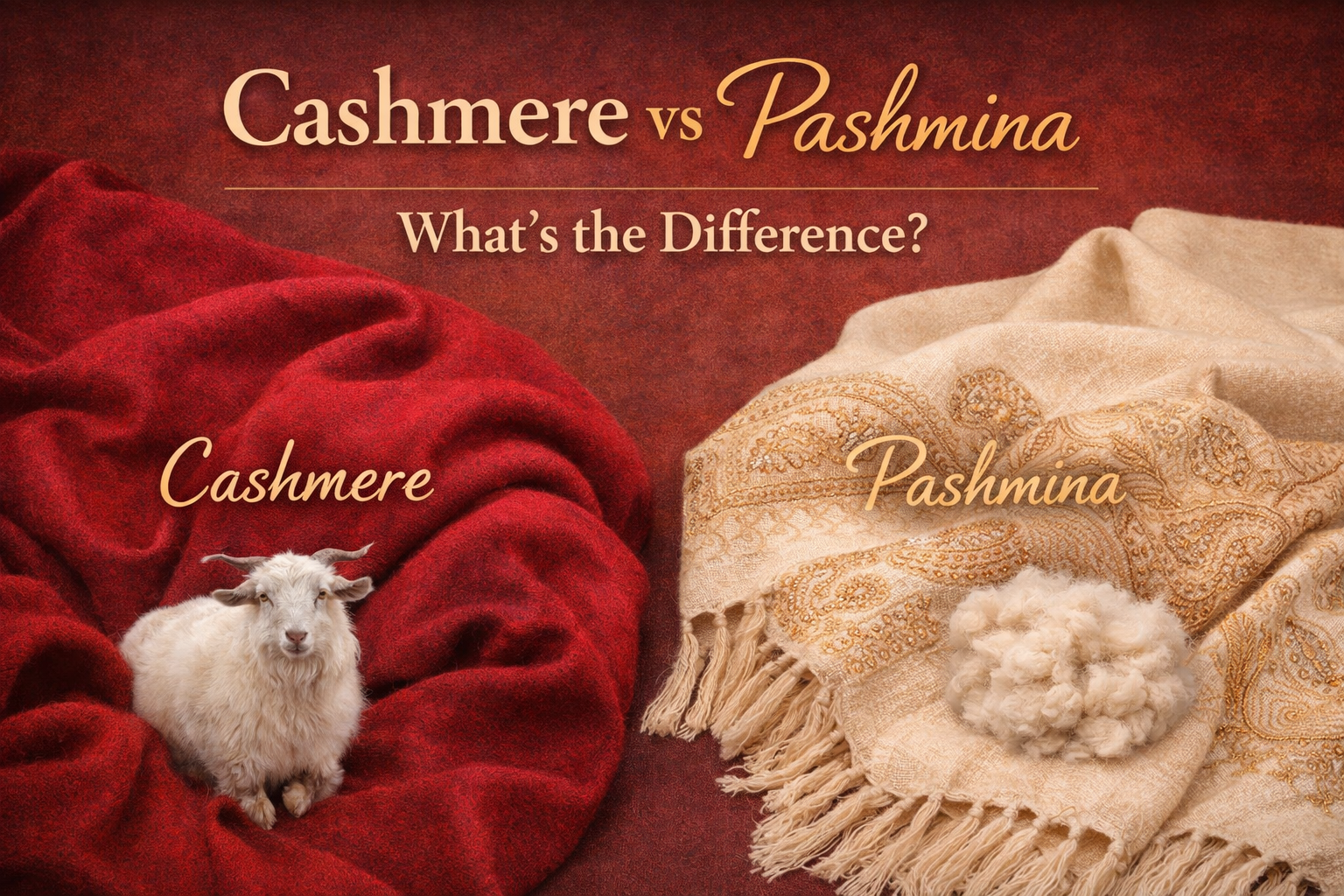
Luxury wool terms are often used interchangeably, but Pashmina vs cashmere is not a matter of wording alone.
While both fabrics are prized for softness and warmth, they differ significantly in origin, fiber quality, craftsmanship, feel, and use.
Understanding the difference between cashmere and Pashmina helps buyers make informed decisions, especially when investing in a premium shawl intended for long-term use.
This guide explains those differences clearly, without marketing exaggeration or technical confusion.
What Is Cashmere?
Cashmere is a natural fiber obtained from the soft undercoat of cashmere goats found across regions such as Mongolia, China, Iran, and Afghanistan.
It is widely produced and used in sweaters, scarves, shawls, and knitwear.
Key characteristics of cashmere:
-
Soft and warm
-
Lightweight compared to sheep wool
-
Machine-spun or hand-spun
-
Produced at a relatively large commercial scale
Because of its broader availability, cashmere is more accessible and often used in mass-market luxury products.
What Is Pashmina?
Pashmina is a specific, finer type of cashmere wool sourced from the Changthangi goat found in high-altitude regions of Ladakh and Tibet.
The fiber is collected manually during seasonal shedding and traditionally hand-spun and hand-woven.
Key characteristics of Pashmina:
-
Extremely fine fiber diameter
-
Exceptional softness and warmth
-
Lightweight with high insulation
-
Limited production due to geographic constraints
All Pashmina is cashmere, but not all cashmere qualifies as Pashmina.
Pashmina vs Cashmere: The Core Differences
1. Fiber Fineness
The biggest difference between Cashmere and Pashmina is their fiber thickness.
-
Cashmere fibers are generally thicker
-
Pashmina fibers are significantly finer
Finer fibers give a softer feel, better drape, and higher warmth-to-weight ratio. This is why Pashmina feels noticeably lighter yet warmer than standard cashmere.
2. Source and Rarity
Cashmere is sourced from goats across multiple countries, making it widely available.
Pashmina comes from a very specific region with extreme climates. This limited sourcing makes Pashmina rarer and more exclusive.
This difference in availability directly impacts pricing and production volume.
3. Craftsmanship and Production
Cashmere products are often machine-spun and machine-woven to meet large-scale demand.
Pashmina is traditionally:
-
Hand-spun
-
Handwoven
-
Produced in small batches
This artisanal process preserves fiber integrity but increases production time and cost.
4. Feel and Texture
When comparing cashmere vs Pashmina, texture is one of the first noticeable differences.
-
Cashmere feels soft and smooth
-
Pashmina feels softer, warmer, and more breathable
Pashmina has a natural matte finish, while cashmere may appear slightly shinier depending on processing.
5. Warmth and Weight
Both materials are warm, but they perform differently.
-
Cashmere provides warmth with moderate thickness
-
Pashmina offers higher insulation without bulk
This makes Pashmina particularly suitable for layering and travel.
6. Durability and Aging
High-quality cashmere is durable, but frequent wear may lead to pilling over time.
Pashmina, when cared for properly, ages gracefully. Its fibers settle rather than break, maintaining softness and structure for years.
Cashmere vs Pashmina: Which Is Better?
The question “Cashmere vs Pashmina, which is better?” does not have a universal answer. It depends on the intended use.
Choose cashmere if:
-
You want everyday luxury at a lower price point
-
Durability and ease of care are priorities
-
The item will see frequent use
Choose Pashmina if:
-
You value softness above all else
-
Lightweight warmth is important
-
You are investing in a timeless accessory
Neither is inherently superior, but they serve different needs.
Cashmere vs Pashmina: Price Differences Explained
Cashmere is more affordable due to:
-
Wider sourcing
-
Machine production
-
Higher supply volume
Pashmina costs more because:
-
Raw material is limited
-
Production is labor-intensive
-
Craftsmanship is artisanal
Price alone should not be the deciding factor, but it often reflects rarity and process.
Cashmere vs Pashmina: Styling and Use Cases
Cashmere Shawls
-
Everyday wear
-
Work and casual outfits
-
Cooler climates
Pashmina Shawls
-
Formal and semi-formal occasions
-
Travel and layering
-
Cold weather without heavy outerwear
Both materials work well as a shawl for women and as refined layering pieces for men.
Best Place to Buy Shawls Online
Pashmoda Shawl Collection
When you’re shopping for a shawl online, whether for everyday wear, seasonal warmth, or special occasions, choosing the right collection can make the process easier and more satisfying.
A good online shawl collection should offer variety, clear product details, diverse styles, and options that work for both women and men.
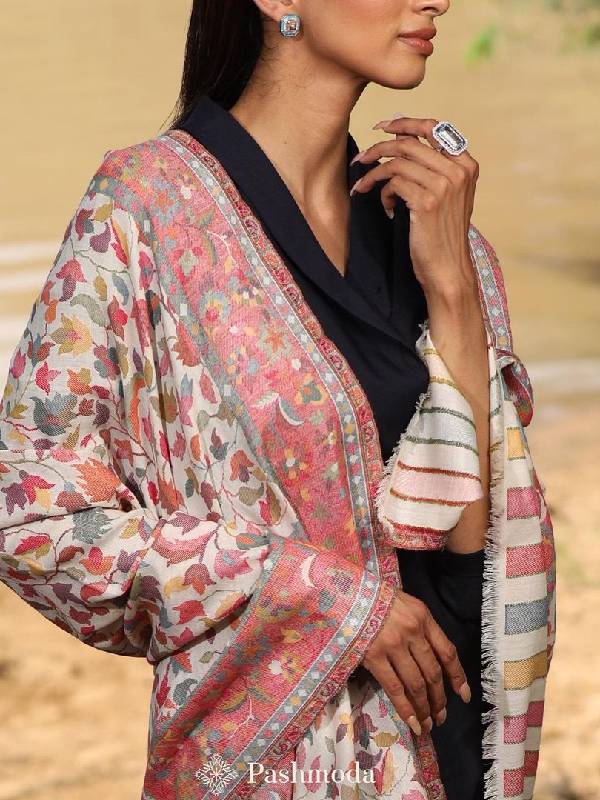
One such destination is Pashmoda’s shawl collection, which brings together a range of handcrafted and artisanal designs in one place.
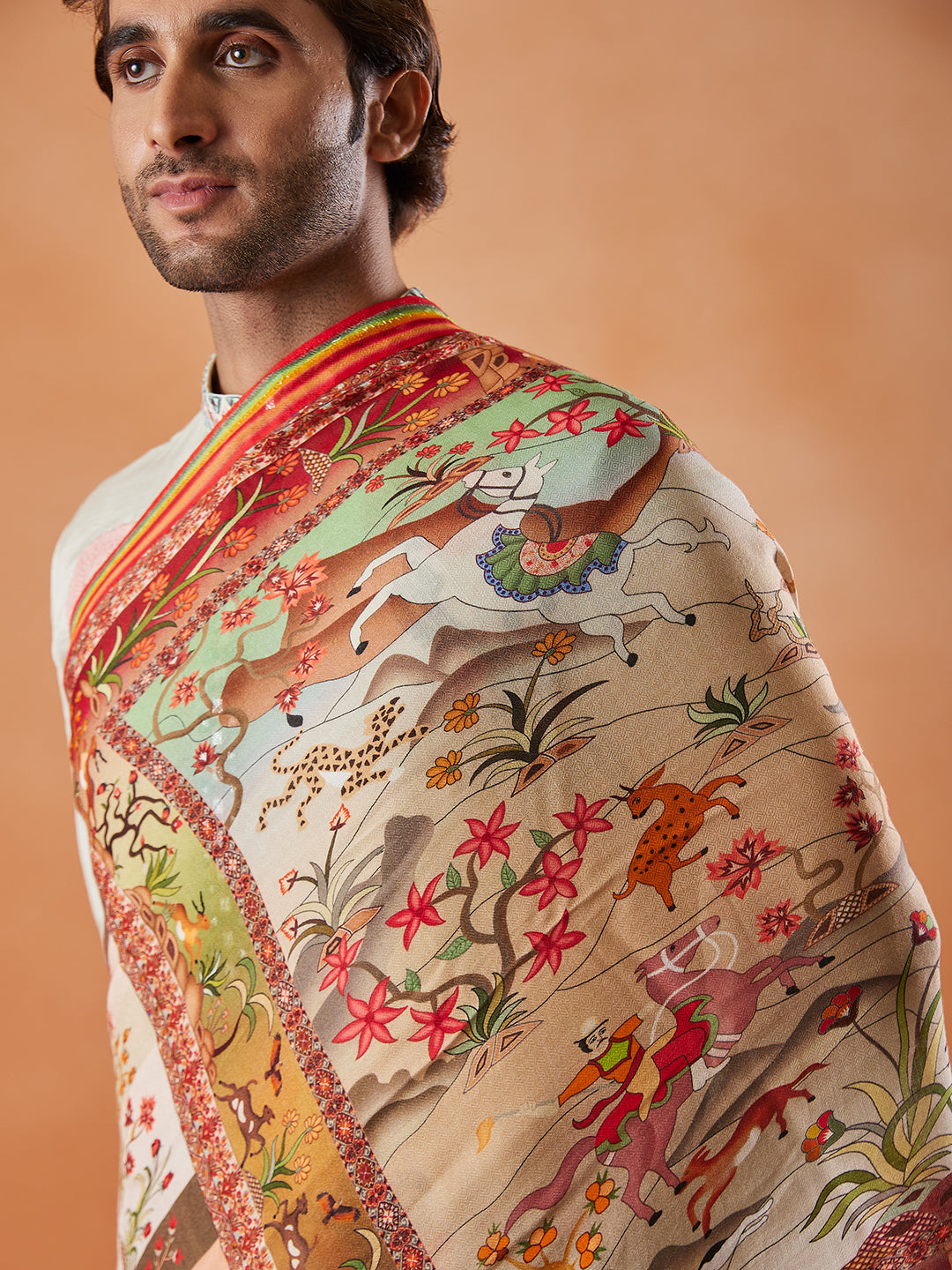
The collection includes multiple styles such as zari embellished shawls, Kaani weaving shawls, Kalamkari shawls, embroidered shawls, and a pure wool collection for cooler seasons.
Highlights of the Pashmoda shawl range include:
-
Zari Embellished Shawls: Elegant choices that add a refined touch to formal outfits.
-
Kaani Weaving Shawls: Traditional patterns that reflect skilled craftsmanship.
-
Kalamkari Shawls: Artistic designs with natural motifs and print work.
-
Embroidered Shawls: Decorative styles that elevate casual or festive wear.
-
Pure Wool Options: Warm, structured choices for colder weather.
In addition to these, Pashmoda’s collection includes shawls specifically for men, such as Kalamkari shawls, embroidered shawls, Kaani shawls, and Woolmark-certified pure wool shawls, as well as variations that work well as shawls for women or gender-neutral layering pieces.
Conclusion
Understanding the difference between cashmere and Pashmina removes confusion and sets realistic expectations.
While both materials are luxurious, their origin, fiber quality, and craftsmanship define how they feel, perform, and age.
Choosing between pashmina vs cashmere ultimately depends on whether you prioritize rarity and softness or accessibility and durability.
Knowing the distinction ensures that your purchase aligns with your lifestyle, climate, and long-term wardrobe goals.
FAQs: Cashmere vs Pashmina
1. Is Pashmina just a type of Cashmere?
Yes. Pashmina is a finer, rarer variety of cashmere sourced from a specific region and produced using traditional methods.
2. Why does Pashmina feel warmer than Cashmere?
Pashmina fibers are finer, allowing them to trap heat more efficiently while remaining lightweight and breathable.
3. Can Cashmere be as soft as Pashmina?
High-quality cashmere is soft, but it generally does not match the fineness and lightness of genuine Pashmina.
4. Which lasts longer, Cashmere or Pashmina?
Both can last many years with proper care. Pashmina ages gracefully, while Cashmere offers durability for frequent wear.