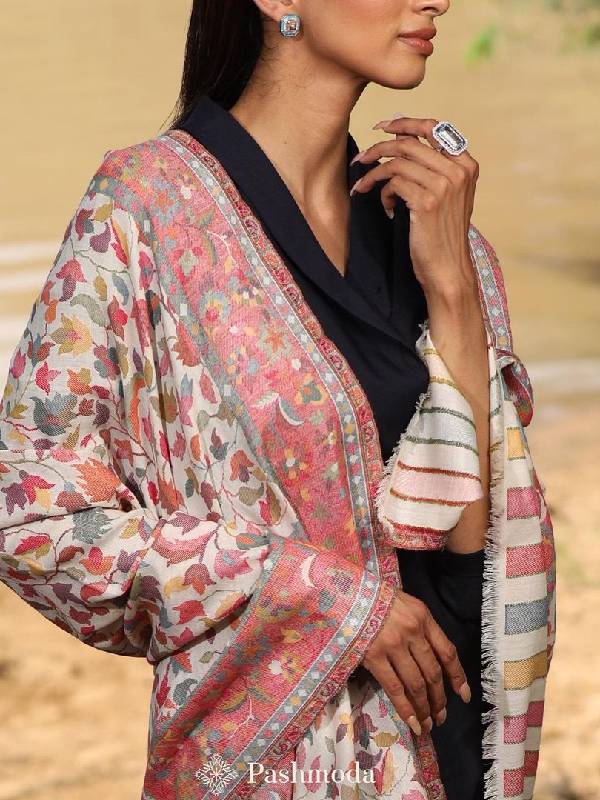

How to Identify a Real Pashmina Shawl While Shopping: A Complete Guide
Buying a Pashmina shawl is often seen as an investment in timeless elegance, warmth, and craftsmanship.
However, with the market flooded with blends, imitations, and misleading labels, one question dominates search engines and buyer conversations alike:
“How do I know if the Pashmina shawl I am buying is genuine?”
This guide answers that question as clearly and practically as possible.
Whether you are shopping online or in a physical store, the steps below will help you confidently identify a real Pashmina shawl and avoid costly mistakes.
What Is a Genuine Pashmina Shawl?
A genuine Pashmina shawl is made from the fine undercoat of the Changthangi goat, found in the high-altitude regions of Ladakh and parts of Tibet.
This wool is exceptionally soft, lightweight, and warm due to its ultra-fine fibers.
True Pashmina is:
-
Natural
-
Hand-spun
-
Handwoven
-
Extremely limited in supply
Any deviation from these fundamentals usually indicates a blend or imitation.
Why Identifying a Real Pashmina Shawl Matters
Understanding authenticity is not about elitism or price alone. It matters because:
-
Real Pashmina offers unmatched softness and breathability
-
It lasts decades when cared for properly
-
Imitations often lose shape, pill, or feel scratchy over time
-
Ethical sourcing and craftsmanship are preserved
For many buyers looking for a premium shawl for women, authenticity directly impacts comfort, longevity, and value.
How to Identify If the Pashmina Shawl You Are Buying Is Genuine
1. Feel the Texture Carefully
The simplest and most reliable first test is touch.
A genuine Pashmina shawl:
-
Feels exceptionally soft but not slippery
-
Has a warm, natural hand-feel
-
Does not feel glossy or synthetic
If the shawl feels overly smooth or silky, it is likely blended with viscose or acrylic. Real Pashmina softness feels natural, not artificial.
2. Check the Warmth Without Bulk
Authentic Pashmina is incredibly warm despite being lightweight.
Drape the shawl over your shoulders. A genuine piece will:
-
Trap warmth almost immediately
-
Feel breathable rather than heavy
-
Sit fluidly on the body
Many fake shawls rely on thickness to mimic warmth. True Pashmina does not need bulk.
3. Examine the Weave Closely
Real Pashmina is traditionally handwoven, resulting in subtle irregularities.
Look for:
-
Slight variations in thread thickness
-
A soft, organic weave rather than machine-perfect symmetry
-
Edges that are neatly finished but not rigid
Perfectly uniform weaves usually indicate machine-made products.
4. Perform the Ring Test With Caution
One popular method is the ring test, where the shawl is pulled through a ring.
A genuine Pashmina shawl:
-
Can pass easily through a medium-sized ring due to its fineness
However, this test should not be used alone. Many blended shawls are engineered to pass this test as well.
5. Check the Label and Fiber Composition
Always read the product description or label carefully.
Genuine labels may say:
-
100% Pashmina
-
Pure Pashmina
-
Handwoven Pashmina
Be cautious if you see:
-
Pashmina wool
-
Pashmina blend
-
Cashmere Pashmina
These usually indicate blends with wool, silk, or synthetic fibers.
6. Be Realistic About Pricing
One of the most common red flags is price.
Due to limited raw material and intensive handcrafting:
-
Genuine Pashmina shawls are never extremely cheap
-
Steep discounts often signal imitation products
If the price feels too good to be true, it usually is.
7. Burn Test (If Permitted)
This test is not always practical, especially when shopping online, but it is definitive.
Real Pashmina:
-
Burns slowly
-
Smells like burnt hair
-
Turns into ash rather than melting
Synthetic fibers melt and emit a plastic smell. Only perform this test if the seller explicitly allows it.
8. Ask About Origin and Craftsmanship
Reputable sellers can clearly explain:
-
Where the Pashmina wool is sourced
-
Whether the shawl is hand-spun and hand-woven
-
The artisans involved in the process
Vague answers or generic descriptions are warning signs.
Frequently Asked Questions about Real Pashmina Shawl
1. How can I tell if a Pashmina shawl is real or fake?
A real Pashmina shawl is extremely soft, lightweight, and warm, with a natural, non-slippery feel.
It is handwoven, slightly irregular in weave, and never very cheap.
Labels, fiber composition, and seller transparency play a major role in identifying authenticity.
2. Is Pashmina the same as cashmere?
No. While both come from goat wool, Pashmina fibers are finer and sourced from specific high-altitude regions.
This makes Pashmina rarer, softer, and usually more expensive than standard cashmere.
3. Are all expensive shawls made of real Pashmina?
No, price alone does not guarantee authenticity.
Some expensive shawls are blended with silk or synthetic fibers. Always verify material composition and craftsmanship details.
4. Can a Pashmina shawl be blended and still be good quality?
Yes, blends like Pashmina-silk can be high quality and visually appealing.
However, they are not pure Pashmina. If authenticity is your priority, look specifically for 100% Pashmina.
5. Why are genuine Pashmina shawls so expensive?
Genuine Pashmina shawls require:
-
Rare raw material
-
Hand-spinning of ultra-fine fibers
-
Skilled hand weaving
Each step is labor-intensive, which naturally increases cost.
6. Does real Pashmina pill over time?
Light pilling can occur initially due to the fineness of the fibers, but this reduces with proper care. Excessive pilling usually indicates blended or lower-quality fibers.
7. Is a very soft and shiny shawl always real Pashmina?
No. Excessive shine often indicates the presence of synthetic fibers or viscose blends. Real Pashmina has a soft, matte, natural appearance.
Best Place to Buy a Real Pashmina Shawl Online
Pashmoda Real Pashmina Shawls
When buying a Pashmina shawl online, the biggest challenge is verifying authenticity without physical inspection. This makes seller transparency and specialization especially important.
At Pashmoda, shawls are presented with a clear focus on material integrity, craftsmanship, and detailed product descriptions.
Each Pashmina shawl at Pashmoda is selected based on clearly defined criteria, including fiber composition, weave quality, and overall finish.
Product descriptions explicitly state the material used, helping customers distinguish between pure Pashmina and blended shawls without ambiguity.
How to Care for a Genuine Pashmina Shawl
Authenticity also shows in how the shawl ages.
Care tips:
-
Dry clean only or gentle hand wash if advised
-
Store folded in breathable fabric
-
Avoid hanging for long periods
With proper care, a genuine Pashmina shawl can last for generations.
Conclusion
Knowing how to identify if the Pashmina shawl you are buying is genuine empowers you as a buyer.
From texture and warmth to weave and price, authenticity reveals itself through details.
A real Pashmina shawl is not just an accessory. It is craftsmanship, heritage, and comfort woven together.
Taking the time to verify authenticity ensures you are investing in something truly exceptional.